Exterior railings frame entrances, decks, and stairs while providing essential safety. Effective winter railing corrosion prevention keeps these features strong and attractive despite snow, ice, and road salt. Left unchecked, rust can weaken connections and shorten the life of an entire system.
Homeowners and facility managers often notice discoloration but postpone action until rust becomes obvious and widespread. A focused winter railing corrosion prevention plan addresses early signs of wear, protects vulnerable joints, and reduces the need for full replacement. Small investments now can avert larger structural problems later.
Why Winter Accelerates Rust
Moisture is the main driver of rust on metal railings, and winter supplies plenty of it through snow, freezing rain, and condensation. Road salt and de-icing chemicals further speed the process by lowering the freezing point of water and creating a more conductive environment.
Temperature fluctuations cause metal to expand and contract, which can open micro-cracks in coatings and allow water to reach bare steel or iron underneath. Over time, these small breaches grow, especially around welds, fasteners, and decorative elements.
Inspection Hotspots on Railings
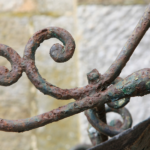
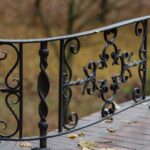
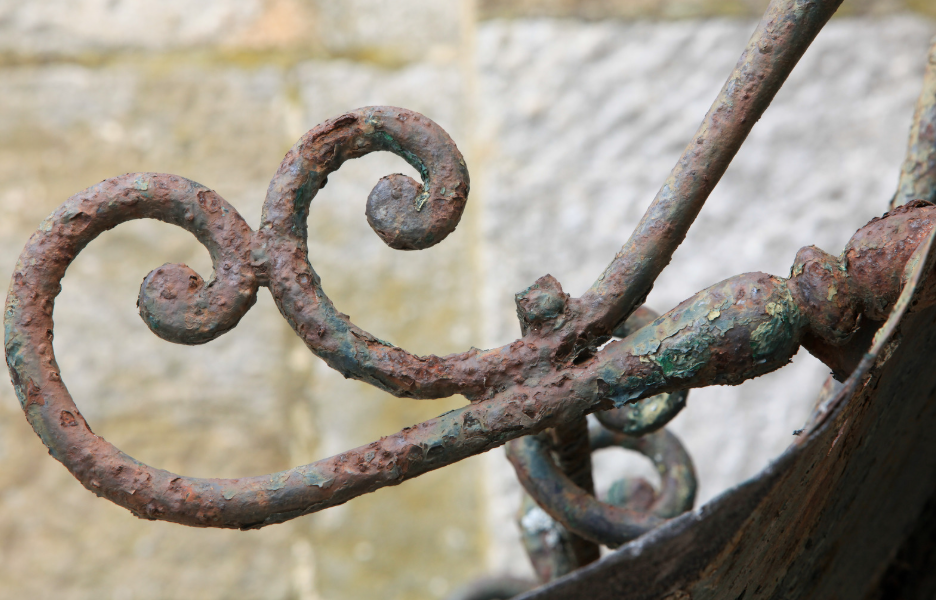
Certain areas are more prone to corrosion than others. Base plates, anchor points, and connection hardware often accumulate water and salt, especially where melting snow runs off stairs or landings. Horizontal surfaces and decorative scrolls can trap moisture longer than smooth vertical sections.
During an inspection, look for bubbling paint, flaking finishes, reddish staining, and rough surfaces. Early-stage rust may be subtle but still indicates that protective layers have been compromised.
Cleaning and Surface Preparation
Before applying any protective coating, railings should be cleaned thoroughly. Removing dirt, salt residues, and loose rust gives new finishes a solid surface to bond to. Depending on the extent of corrosion, this prep may involve wire brushing, sanding, or more advanced methods such as abrasive blasting.
Proper containment of debris is important to avoid spreading rust particles and contaminants to surrounding surfaces or landscaping. After preparation, railings must be allowed to dry completely before coating.
Choosing Protective Coatings and Materials
High-quality primers formulated for metal and rust resistance create a critical base layer. Topcoats designed for exterior use, with UV and moisture resistance, build on that protection. In harsher climates, multi-coat systems or specialized industrial finishes may be appropriate.
For new installations, selecting corrosion-resistant materials—such as galvanized steel, aluminum, or stainless components—reduces long-term risk. Even then, finishes help maintain appearance and provide an extra barrier against the elements.
Ongoing Maintenance Through the Season
Regularly rinsing railings with fresh water during winter, especially after major de-icing efforts, helps remove salt buildup. Avoiding direct contact between railings and piled snow or ice reduces constant moisture exposure. Promptly addressing chips, scratches, or impact damage keeps small issues from expanding.
Establishing a recurring inspection schedule at least once or twice a year ensures that emerging problems are caught early. Documenting findings and repairs guides future decisions and budgeting for more substantial work if needed.
If you want to keep your railings safe, strong, and attractive through many winters, contact our team for a condition assessment, coating recommendations, and professional repair or replacement options tailored to your property.